

PCOS/PCOD: The Silent Struggle Many Women Face Every Day
For years, she was told it was "just stress." Irregular periods — sometimes two in a month, sometimes none for four. Acne along the jawline well past her teenage years. Weight that seemed to gather no matter what she tried. A pelvic ultrasound during a routine checkup finally used the words out loud: polycystic ovaries. She was 24, and she'd been living with undiagnosed PCOS since she was 16.
This story repeats itself across Indian homes more often than most people realize. PCOS (Polycystic Ovary Syndrome) and PCOD (Polycystic Ovarian Disease) are two of the most common — and most commonly dismissed — hormonal conditions among women of reproductive age. This guide explains what's actually happening in the body, why it's called a "silent struggle," and what current medical evidence says about diagnosis and management.
Just How Common Is This?
A nationwide study by the Indian Council of Medical Research (ICMR) PCOS Task Force, involving over 7,100 women across six regions of India, found that PCOS is far from rare — and a 2025 systematic review of Indian studies reported prevalence estimates ranging from about 3.7% to as high as 22.5% depending on the diagnostic criteria used and the population studied. In some urban, college-age cohorts, one recent Delhi NCR study found a 17.4 per cent prevalence rate, with roughly 3 in 10 of those cases being newly diagnosed during the study itself — meaning they didn't know until someone actually looked.
That last detail matters more than the percentages. Multiple Indian studies note that a large share of women with PCOS remain undiagnosed for years, often mistaking symptoms for stress, "bad genetics," or something to just live with.
PCOS vs PCOD: They're Not Quite the Same Thing
In everyday conversation in India, "PCOS" and "PCOD" are often used interchangeably — but doctors do draw a distinction. PCOD (Polycystic Ovarian Disease) describes ovaries producing large numbers of immature eggs, which can turn into cysts. It's the more common and generally milder of the two, and it typically has a smaller impact on fertility.
PCOS (Polycystic Ovary Syndrome) is a broader endocrine-metabolic disorder — it doesn't just affect the ovaries but involves hormone imbalance (particularly excess androgens), insulin resistance, and disrupted ovulation throughout the body. It's considered more severe, carries a higher risk of infertility, and is linked to longer-term metabolic complications like diabetes and cardiovascular risk.
In short: most people with PCOD don't necessarily have full PCOS, but the symptoms can look similar enough on the surface that only a proper clinical evaluation — not a home symptom checklist — can tell the difference.
What's Actually Happening in the Body
PCOS is fundamentally a hormonal and metabolic condition, not just a reproductive one. According to the American College of Obstetricians and Gynecologists (ACOG), it's characterized by three overlapping features: hyperandrogenism (higher-than-typical male hormone levels), ovulatory dysfunction (irregular or absent ovulation), and polycystic ovarian morphology seen on ultrasound. A person doesn't need all three to be diagnosed — and importantly, not everyone with PCOS has visible ovarian cysts at all.
The exact root cause is still not fully understood, but insulin resistance plays a central role for many women — the body produces more insulin to compensate, which in turn pushes the ovaries to produce more androgens. Genetics, chronic low-grade inflammation, and lifestyle factors like sedentary routines and diet all appear to interact with this process, which is one reason PCOS tends to run in families but doesn't affect every family member the same way.
Symptoms That Are Easy to Write Off
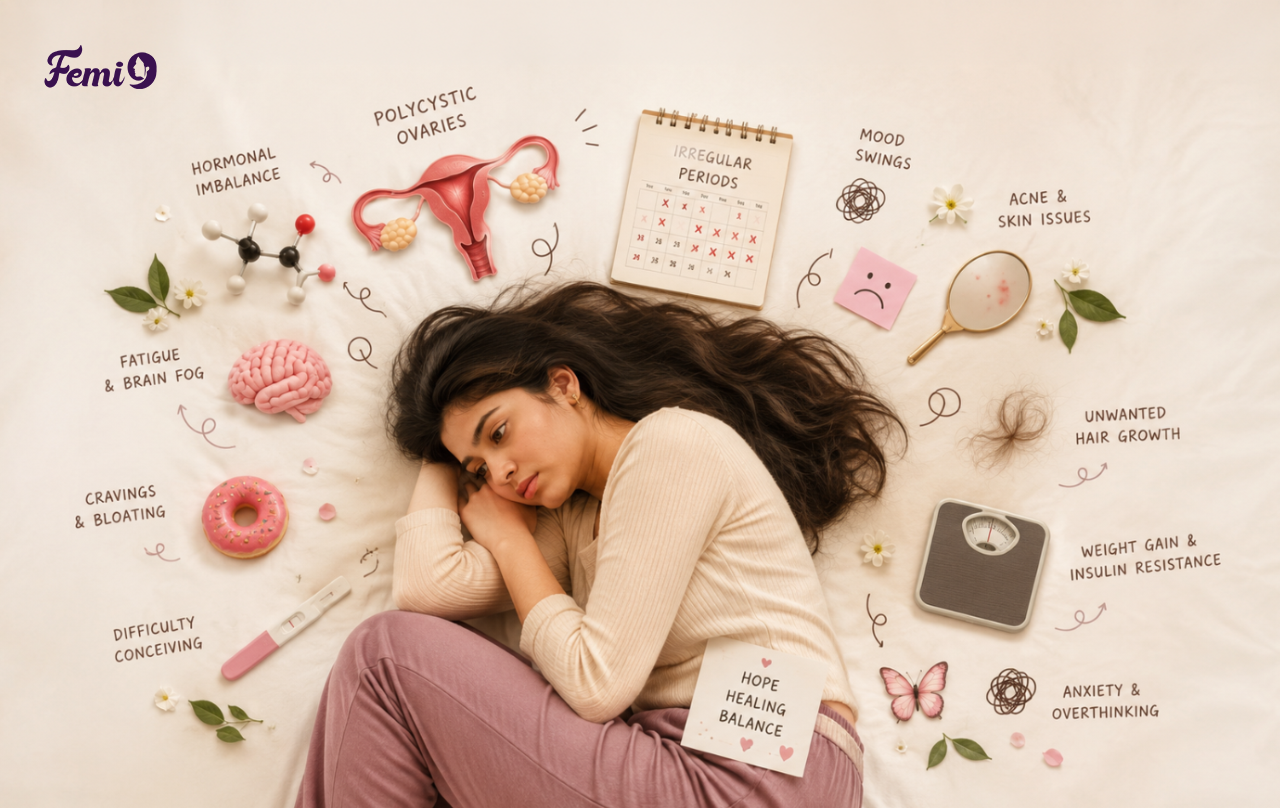
This is where PCOS earns the "silent" part of its reputation — its symptoms overlap with a dozen other explanations people reach for first:
Ø Irregular or absent periods — cycles longer than 35 days, fewer than 8 periods a year, or unpredictable timing.
Ø Excess hair growth (hirsutism) on the face, chest, or back, or noticeable hair thinning on the scalp.
Ø Persistent acne beyond the teenage years, often along the jawline and chin.
Ø Weight gain or difficulty losing weight, particularly around the abdomen.
Ø Skin changes such as dark, velvety patches (acanthosis nigricans) around the neck or underarms — a visible sign of insulin resistance.
Ø Difficulty conceiving, often the reason PCOS finally gets investigated, sometimes years after the first symptoms appeared.
Ø Mood changes — anxiety and depression are reported at notably higher rates in women with PCOS, which researchers link to both the hormonal picture and the toll of living with an under-explained condition.
Why It Matters Beyond the Menstrual Cycle
PCOS isn't only about periods or fertility. Research summarized by Cleveland Clinic and India's own ICMR Task Force data both point to significant metabolic overlap: higher rates of obesity, dyslipidemia (abnormal cholesterol), non-alcoholic fatty liver disease, and an elevated long-term risk of type 2 diabetes and cardiovascular disease. This is exactly why doctors increasingly frame PCOS as a whole-body metabolic condition, not simply a gynecological one — and why an early diagnosis matters well beyond any immediate fertility plans.
Getting Diagnosed: What to Actually Expect
There's no single blood test that confirms PCOS on its own. Diagnosis typically involves a combination of:
• A detailed menstrual and symptom history — cycle length, hair growth, acne, weight changes.
• Blood tests to check androgen levels and rule out other conditions with overlapping symptoms, such as thyroid disorders or hyperprolactinemia.
• A pelvic ultrasound to look at ovarian morphology — though, again, this alone isn't required or sufficient for diagnosis.
• Screening for metabolic markers like fasting glucose, insulin levels, and a lipid profile, since ACOG recommends checking for these alongside a PCOS diagnosis.
If your periods have been irregular for several cycles, or several of the symptoms above sound familiar, the appropriate next step is a gynaecologist or endocrinologist — not a symptom-matching quiz online.
Common Mistakes and Myths
• "If I don't have cysts on my ovary, I don't have PCOS." Not true — a meaningful share of women with PCOS never show ovarian cysts on ultrasound.
• "PCOS means I can't get pregnant." PCOS is a leading cause of ovulatory infertility, but it is highly manageable, and many women with PCOS conceive with appropriate medical support.
• "It'll go away on its own once my periods settle." PCOS is a chronic condition that's managed over the long term, not something that resolves after one "normal" cycle.
• "Only overweight women get PCOS." PCOS occurs at every body size; weight can worsen symptoms, but it isn't the cause for everyone.
• Self-treating with unverified supplements or fad diets instead of a proper diagnosis can delay appropriate care for years — exactly what the data above shows is already happening to too many women.
Expert-Backed Approaches to Managing PCOS
There's currently no cure for PCOS, and treatment is individualized based on symptoms and goals — whether that's regulating cycles, managing acne or hair growth, addressing metabolic risk, or planning a pregnancy. Broadly, evidence-based approaches recognized by ACOG and major clinical bodies include:
- Lifestyle changes — even modest weight loss (around 5–10 per cent of body weight, where relevant) has been shown to improve ovulation and metabolic markers for many women.
- Medications such as hormonal contraceptives to regulate cycles, or insulin-sensitizing medication, prescribed and monitored by a doctor.
- Fertility treatment when pregnancy is the goal, ranging from ovulation-inducing medication to assisted reproductive techniques, depending on individual circumstances.
- Ongoing metabolic monitoring — regular checks on blood sugar, cholesterol, and blood pressure, since these risks compound over time if left unaddressed.
- Mental health support — given the well-documented links between PCOS and anxiety or depression, many gynaecologists now recommend factoring emotional wellbeing into the treatment plan, not just the physical symptoms.
Frequently Asked Questions
1. What is the real difference between PCOS and PCOD?
PCOD refers specifically to ovaries producing many immature eggs that can form cysts, and is generally milder with less impact on fertility. PCOS is a broader hormonal and metabolic disorder involving excess androgens, insulin resistance, and ovulatory dysfunction, and carries higher risks for fertility and long-term metabolic health. Only a clinical evaluation can confirm which one applies to you.
2. Can PCOS be cured?
Not currently — PCOS is a chronic condition that is managed rather than cured. However, with the right combination of lifestyle changes, medical treatment, and regular monitoring, most symptoms can be controlled effectively and long-term risks reduced.
3. Does PCOS always affect fertility?
PCOS is one of the leading causes of ovulatory infertility, but it doesn't mean pregnancy isn't possible. Many women with PCOS conceive naturally or with medical support such as ovulation induction; an early diagnosis simply allows fertility planning to start sooner.
4. Why does PCOS seem to be increasing among young Indian women?
Researchers point to a mix of factors: greater diagnostic awareness (so more existing cases are being found), urban lifestyle shifts including sedentary routines and processed diets, rising obesity rates, and possibly genetic predisposition combined with environmental change. It's likely a combination of "more cases being found" and "more cases actually occurring."
5. Is PCOS linked to heavy or unpredictable periods?
Yes — irregular ovulation in PCOS often causes unpredictable cycle length and, in some cases, unusually heavy bleeding, which is one of the practical daily-life challenges women managing PCOS deal with alongside the medical side.
Final Thoughts: Naming It Is the First Step
PCOS and PCOD stay "silent" largely because the symptoms are so easy to explain away individually — a late period here, some stubborn acne there. But taken together, and taken seriously, they tell a clear story that a doctor can act on. If any of this sounds familiar, the single most useful thing you can do is bring it up with a gynaecologist rather than waiting for it to resolve on its own.
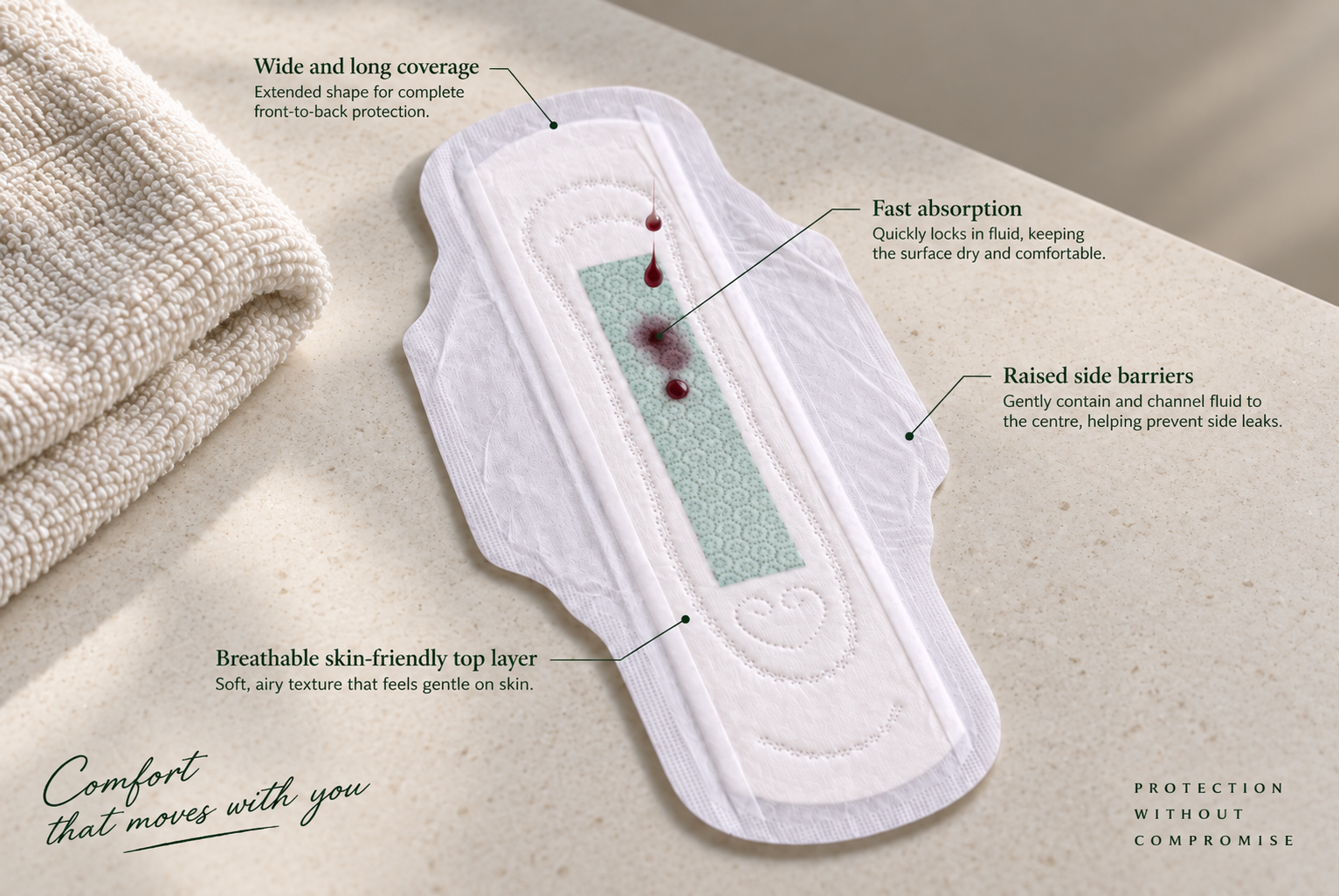
One small, practical part of living with PCOS is that periods can be unpredictable — sometimes lighter, sometimes unexpectedly heavy, sometimes early. Having a comfortable, skin-friendly pad on hand for those unpredictable days is a small thing that helps, even if it isn't a treatment for the condition itself. Femi9's organic cotton pads are designed with a breathable organic cotton top sheet and an absorbent core layer infused with aloe vera and corn extracts, for comfort on the days your body doesn't stick to a schedule. You can read more about the brand's approach on the Femi9 blog.
PCOS is common, manageable, and nothing to feel isolated about. The sooner it has a name, the sooner it has a plan.
References (linked contextually within the article)
• ACOG — Polycystic Ovary Syndrome Practice Bulletin: https://www.acog.org/clinical/clinical-guidance/practice-bulletin/articles/2018/06/polycystic-ovary-syndrome
• Cleveland Clinic — Polycystic Ovary Syndrome (PCOS): https://my.clevelandclinic.org/health/diseases/8316-polycystic-ovary-syndrome-pcos
• Indian Journal of Medical Research — Epidemiology, Pathogenesis, Genetics & Management of PCOS in India: https://ijmr.org.in/epidemiology-pathogenesis-genetics-management-of-polycystic-ovary-syndrome-in-india/
• JAMA Network Open (via Contemporary OB/GYN) — ICMR PCOS Task Force Study Coverage: https://www.contemporaryobgyn.net/view/high-pcos-prevalence-reported-in-india
• PMC — Delhi NCR PCOS Prevalence Study: https://pmc.ncbi.nlm.nih.gov/articles/PMC12039125/